Backpacking Australia can feel simple on paper—sun, surf, big cities and epic national parks—but it’s a country where distance and climate shape everything. A quick look at the map doesn’t prepare most first-timers for how long travel days can be, or how the “best time to go” changes from one state to the next.
This backpacking in Australia guide is designed for general readers who want practical decisions: which visa fits your plans, when to travel each region, how to set a backpacking Australia budget without guesswork, which transport style suits your time, and a few route ideas you can actually follow.
1) Start With Visas, Entry Basics and Proof of Funds
Before you book internal flights or lock in an Australia backpacking itinerary, check that your visa matches your trip length and whether you want to work. Tourism Australia notes that for trips of less than three months, many travellers use an Electronic Travel Authority (ETA, subclass 601) which allows multiple entries within a 12‑month period, with stays of up to three months each visit (eligibility varies by passport). For longer stays, Tourism Australia says you may need a Visitor visa (Tourist Stream, subclass 600), which can be granted for three, six or twelve months.
Crucially for planning, Tourism Australia states that neither the ETA (601) nor the Visitor visa (600) allows you to work in Australia. If you want Australia working holiday backpacking—funding the trip with temporary jobs—you’ll need to look at Working Holiday options and the official Department of Home Affairs rules for your nationality, age and conditions.
Tourism Australia also states that Working Holiday applicants need to show proof of savings equivalent to AUD 5,000, plus a return ticket or enough funds for a flight home. Treat that as a baseline for your cashflow plan rather than a full budget for the trip itself, and keep digital copies of key documents (passport, insurance policy, bookings, licences) ready to show if asked.
- Confirm your visa subclass and conditions on the Department of Home Affairs site before paying for non‑refundable bookings.
- If you are using an ETA or Visitor visa, plan for zero paid work and budget accordingly.
- If you are aiming for a Working Holiday, build a simple cashflow plan: savings buffer, first-month costs, and job search time.
- Allow extra time for applications, health checks (if required), and requests for additional documents.
Don’t Treat Tourist Visas as ‘Work-Friendly’
2) Best Time to Backpack Australia (By Region, Not One Season)
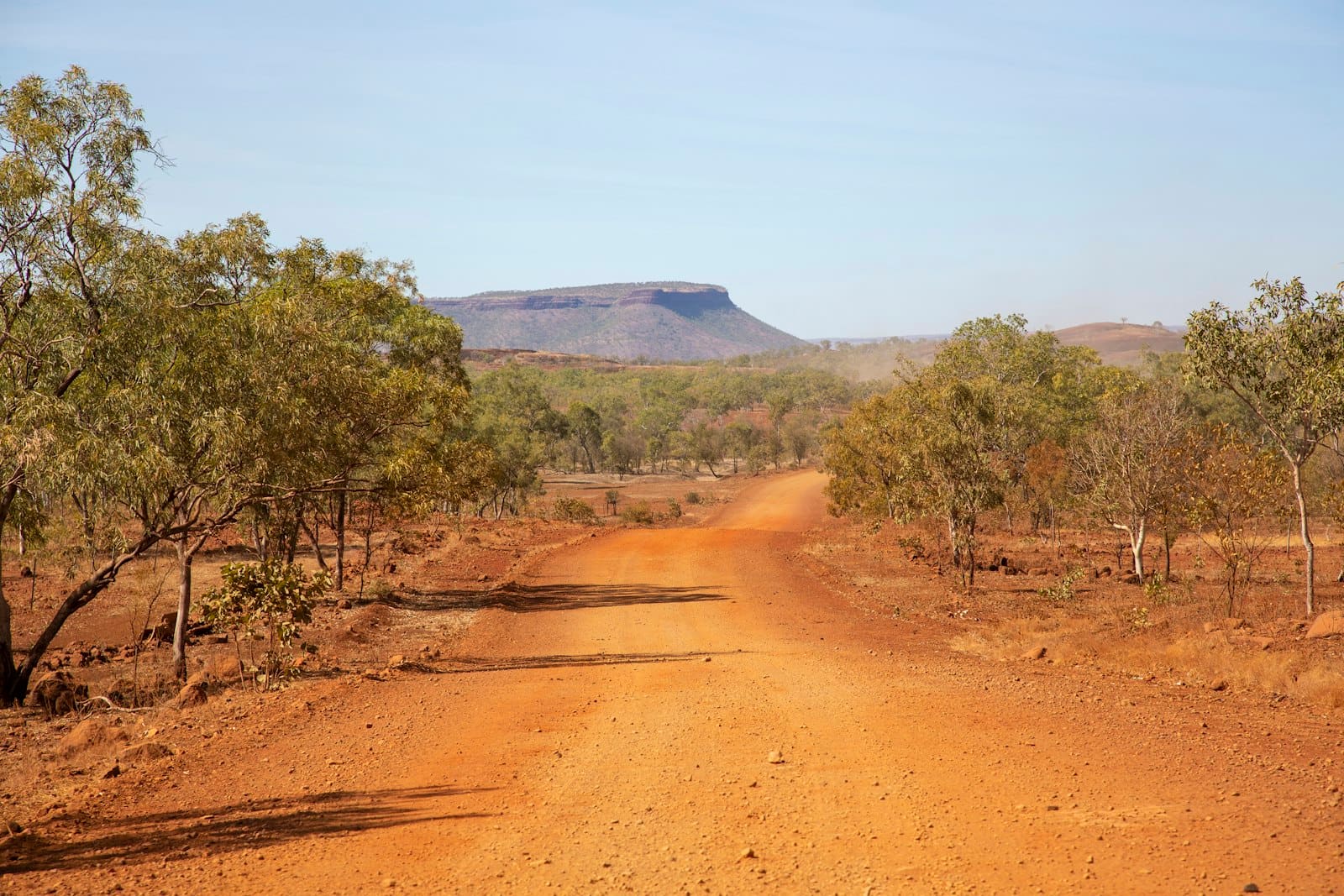
There isn’t one best time to backpack Australia—there are better windows for different climates. Broadly, the tropical north has a wet season with heavy rain, flooding risk and higher humidity, while the south has cooler winters and milder shoulder seasons. A good plan starts by matching your route to the weather rather than forcing the whole country into one trip.
As a simple rule of thumb from popular backpacking sources: Beard and Curly suggests northern Australia (Queensland, Northern Territory and northern Western Australia) is generally best in the winter months between June and September, when heat and tropical storms are less intense. The same source suggests southern Australia (New South Wales, Victoria, South Australia, Tasmania and southern Western Australia) is generally best between November and April, when days are warmer and longer. Use these as planning cues, then cross-check local forecasts, park alerts and any cyclone, flood or bushfire advice closer to departure.
If you only have a few weeks, a realistic way to reduce weather risk is to pick a single ‘climate zone’ and travel it well. For example: winter dry-season routes in the north (reef, rainforests, Top End) or summer-to-shoulder-season routes in the south (cities, wine regions, coastal walks).
- North (tropical): aim for drier months if you want easier road access and calmer conditions for tours.
- South (temperate): warmer months suit beaches, coastal hikes and festivals, but can be busy and pricier.
- Shoulder seasons can be a sweet spot: fewer crowds and decent weather, depending on the region.
- Always check local hazard advice for bushfires, floods and marine conditions—especially if you’re hiring a vehicle or heading remote.
3) Backpacking Australia Budget: What to Expect and How to Control It
Australia is often described as a higher-cost backpacking destination, so your budget plan matters. Instead of chasing a single ‘average’, it’s more useful to build a backpacking Australia cost breakdown based on your travel style: how fast you move, whether you self-cater, how often you book tours, and whether you fly to skip long distances.
For transport, some travellers use long-distance coach passes on the East Coast. One itinerary source (Margaux’s Footprints) lists Greyhound pass prices as AUD 369 for a 15‑day pass and AUD 449 for a 30‑day pass, noting you still need to reserve seats. Treat these as indicative figures that can change; check current prices before you commit. For road trips, a worked example from Mini‑Adventures totals AUD 6,971 for a one‑month Sydney‑to‑Cairns trip (excluding any campervan purchase cost). It’s not a universal benchmark, but it shows how petrol, campsites, food, and paid attractions can add up quickly.
To keep costs predictable, decide in advance where you’ll ‘spend big’ (for example, a Whitsundays sailing trip, a reef day tour, or a multi-day outback experience) and where you’ll go simple (free beaches, city walks, supermarket meals). StephMyLifeTravel notes that self-catering using hostel kitchens and shopping at lower-cost supermarkets such as Aldi can materially reduce food spend—often one of the biggest daily costs.
- Build your budget around big-ticket choices: tours, flights, and vehicle hire (including insurance excess).
- Self-cater most days; treat cafés and bars as occasional extras, not your default.
- Travel slower if you can: fewer long-distance legs often means fewer booking fees and fewer impulse costs.
- Keep a ‘buffer’ for surprises: weather changes, last-minute accommodation, or replacing lost kit.
About Prices in This Guide
4) Transport in Australia for Backpackers: Choose a Style, Not Everything
Transport in Australia for backpackers usually comes down to four approaches: long-distance coaches, domestic flights, hiring a car/campervan, or combining public transport with occasional tours. The right choice depends less on your travel experience and more on time: Australia’s distances are the reason most itineraries fail.
For beginners, the simplest option is often to pick one corridor with regular services (most commonly the East Coast) and use a coach network plus local tours for places that are hard to reach independently. Margaux’s Footprints describes doing the East Coast using only public transport and the Greyhound network, and advises booking buses, hostels and tours well in advance in busy periods because departures can be limited and sell out.
If you have limited time but want to see both north and south, flights can be the difference between a relaxed trip and spending whole days in transit. Tourism Australia says flights are most expensive in Australian summer (December to February) and recommends booking far ahead—10 to 12 months for summer travel and 7 to 10 months outside peak periods. If you prefer a road trip, plan shorter driving days, share fuel costs, and treat remote-area driving as a separate skill set with its own safety planning.
- Trying to ‘do the whole country’ in two or three weeks
- Assuming travel times look like Europe or the UK
- Driving long distances at dusk or night in wildlife areas
- Underestimating how fast peak-season seats and beds can sell out
- Coach + hostels: best for social travel and simple logistics on popular routes.
- Flights: best for saving days when you’re crossing huge gaps or switching climate zones.
- Car/campervan: best for flexibility, but costs can rise with fuel, one-way fees and insurance excess.
- Tours: useful ‘last-mile’ transport to islands, reef trips, and remote national parks.
5) Best Places to Backpack in Australia: Route Ideas You Can Actually Finish
Rather than listing everywhere, these sample routes show how to stitch together a trip with realistic travel days. Use them as modules: you can swap cities or add detours, but keep the pacing. If you’re choosing between Australia backpacking routes east coast versus west coast, the biggest difference is infrastructure and spacing. The East Coast is easier without a car; the West and the outback can be extraordinary, but often require more planning, time and transport commitment.
For each itinerary, the assumption is that you’ll base yourself in a few places, take day trips, and avoid constant one-night stops. That keeps costs steadier and makes it easier to meet people in backpacker hostels Australia-wide.
If you’re backpacking in Australia for beginners, start with an East Coast segment or a city-and-surrounds loop. Save remote areas for a second trip, or join an organised tour for the heavy logistics.
- 2 weeks: Sydney to Brisbane (or the reverse) with one or two beach towns and a national park day tour.
- 1 month: Sydney–Brisbane–Airlie Beach/Whitsundays–Cairns, with time for K’gari (Fraser Island) and reef/rainforest days.
- 3 months: East Coast plus a southern add-on (Melbourne/Great Ocean Road/Tasmania) using a flight link to avoid backtracking.
- West Coast sampler: Perth + day trips, then a focused section north or south rather than trying to cover the entire coastline.
- Outback focus: choose one core outback region and plan around weather, road access and tour availability.
A Simple Itinerary Test
6) Hostels, Camping, Phones and Booking Strategy
Accommodation is a major lever in any backpacking Australia budget. In cities and popular coastal stops, backpacker hostels Australia-wide can be the easiest way to keep plans flexible, meet other travellers and use shared kitchens. Private rooms are available in many hostels, but they can book out quickly in peak periods; if you want specific dates, reserve ahead.
Camping can look cheap, but it isn’t always ‘free’ once you account for gear, paid campsites, transport and the reality that wild camping rules vary by state and by land type. If you’re hiring a campervan, read the terms carefully and plan where you can legally stay overnight. In remote areas, treat accommodation as part of your safety plan rather than just a price choice.
Connectivity is generally straightforward in cities and larger towns, but patchy once you leave the main corridors. Download offline maps, keep key bookings available offline, and tell someone your plan if you’re heading into areas with limited reception.
- Hostel kitchens for self-catering
- A small power bank for long travel days
- Offline maps and saved bookings
- Flexible booking policies where possible
- Book ahead for peak dates: school holidays, Christmas/New Year, and major events.
- Choose accommodation with a kitchen if you want to cut daily food costs.
- Check luggage rules if you’re using coaches; pack so you can carry everything yourself.
- Set up practical ‘arrival week’ basics: SIM/eSIM, bank access, and a way to store digital copies of documents.
7) Safety, Common Mistakes and a Packing List That Fits Australia
Solo backpacking Australia safety is generally about making sensible choices, especially around water, sun and distance. Heat and dehydration can build quickly, and conditions change fast in coastal and remote areas. Use official local warnings for beaches, stinger season, bushfires and floods, and avoid taking risks to ‘stick to the plan’. If you’re swimming, follow lifeguard advice and signage, and don’t assume a quiet beach is a safe one.
The most common planning mistake is building an itinerary around Instagram highlights rather than geography. Australia punishes rushed travel: long overnight journeys leave you tired, you spend more on last-minute bookings, and you’re more likely to make poor safety calls. Another mistake is packing for one climate. Even on a classic East Coast run, you can hit cool evenings, heavy rain, and strong air-conditioning on coaches and in dorms.
For a practical backpacking Australia packing list, aim for versatile layers and a small set of essentials you’ll use daily. If you’re moving often, weight matters less than ‘easy to repack’ and ‘easy to wash’.
- Sun protection is non-negotiable: hat, sunglasses, and high-SPF sunscreen used properly.
- Carry water and snacks on long travel days; don’t assume services at every stop.
- If you drive, avoid dusk/night driving in wildlife areas and plan rest breaks.
- Use a dry bag or zip pouches for phone, passport and power bank in wet weather.
- Pack one warm layer for evenings and air-conditioned transport, even in summer.
Remote Areas Aren’t the Place to Wing It
A good Australia backpacking itinerary isn’t the one that includes the most dots on a map—it’s the one that matches your season, budget and energy. Start with the visa that fits your plans, pick a route that makes sense for the weather, and choose a transport style that won’t eat your trip in transit days.
Keep your spending deliberate (save for the experiences you’ll remember), and stay flexible when conditions change. Australia rewards travellers who plan the basics well and leave room for the unexpected.