A medical emergency overseas is stressful, especially when there is a language barrier or unfamiliar healthcare system. A simple plan helps you act faster and protects your claim position at the same time.
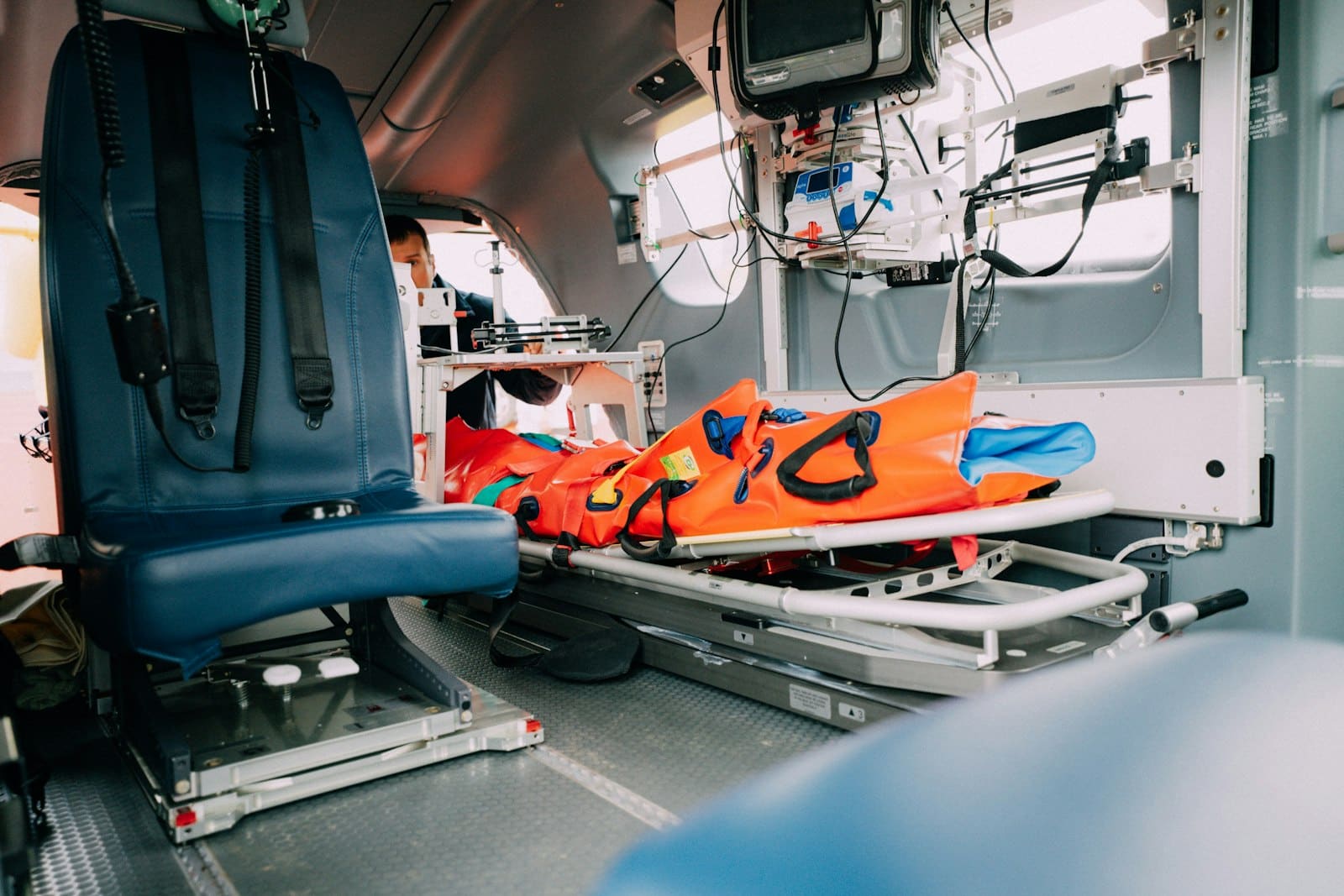
1. Get To Safety First
Your first priority is immediate safety. Move away from ongoing risk if possible and ask nearby people for help. If someone is seriously injured, do not delay emergency contact while searching for paperwork.
2. Call Local Emergency Services
Use the local emergency number for ambulance support or urgent care guidance. Hotel staff, guides, or local hosts can usually help with the correct number and nearest suitable facility.
Important: if the situation is critical, call local emergency services first. Insurance support should follow immediately after urgent care is in motion.
3. Contact Your Insurer Quickly
As soon as practical, contact your insurer or assistance team. Early contact helps with treatment coordination, hospital communication, and evidence requirements. It can also reduce out-of-pocket cost risk where direct billing is possible.
- Policy reference number
- Where you are and what happened
- Hospital or clinic details
- Any urgent costs already paid
4. Keep Every Document
Good records make claims smoother. Keep discharge notes, invoices, prescriptions, and payment receipts. Take clear photos of documents in case originals are lost during onward travel.
If there was an incident report (for example from a tour operator or transport provider), ask for a copy before leaving the location.
5. Aftercare And Next Steps
When you are stable, follow insurer guidance on ongoing treatment, travel changes, and repatriation if needed. If your trip is interrupted, document unused bookings and additional costs linked to the emergency.
A clear timeline of events, with dates and contacts, often speeds up claim review and reduces back-and-forth requests.
Want support in place before you travel?
Set up cover before departure so emergency help is one call away if plans go wrong.
Check Cover Options