If you are wondering what to expect trekking to Everest Base Camp (EBC), the simplest answer is this: it is a straightforward walk in technical terms, but a demanding trip in real life. The trail is well-established, the villages are geared for trekkers, and you do not need mountaineering skills. What makes it challenging is the combination of repeated uphill/downhill days, rough surfaces, cold and dust, and most of all altitude.
This guide gives you a realistic, practical preview of the standard EBC trek via Lukla and Namche Bazaar, including a sample Everest Base Camp trek itinerary, what teahouse accommodation is like, how to think about altitude sickness, and the admin and packing decisions that make the experience easier. Details that change (fees, flights, rules) are noted as "check before you go" items.
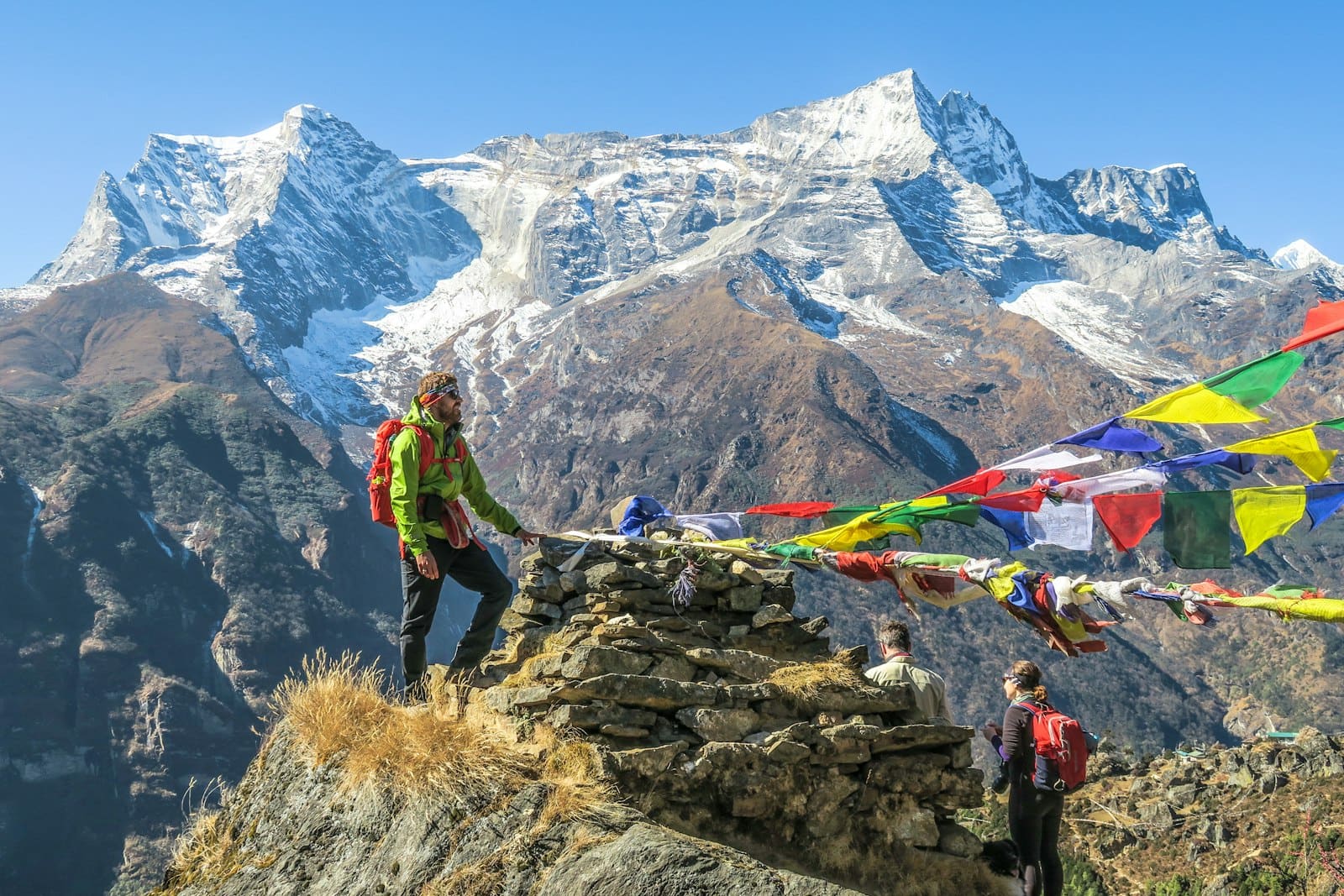
The Overall Shape of the Trek (And Why It Feels Harder Than It Looks)
Most people follow the classic route: fly to Lukla, walk up the Khumbu valley via Phakding to Namche Bazaar, then continue to higher villages such as Dingboche and Lobuche before reaching Gorakshep and Everest Base Camp (commonly cited at 5,364 m). Many trekkers also climb Kala Patthar (around 5,545-5,555 m) for the best panoramic views, often at sunrise.
On paper, the Everest Base Camp trek difficulty is non-technical: no ropes, no glaciers to cross, and no climbing. In practice, you are walking for multiple days in a row, often 4-8 hours per day, on stone steps, dusty paths, rocky moraine and uneven ground. Descents can be as tough as ascents because they punish knees and quads.
Expect the trek to take roughly 12-14 days on the trail for the standard itinerary, plus time in Kathmandu for arrival, preparation and the flight to/from the mountains. It is common to build in at least two acclimatisation days, typically around Namche Bazaar and Dingboche, which is one reason a safe itinerary is not a sprint.
- Non-technical trail, but physically repetitive and tiring
- Typical walking blocks: 2-3 hours, lunch stop, then another 2-3 hours
- Two acclimatisation days are common on standard itineraries
- The highest sleeping point is often Gorakshep (about 5,160 m), not Base Camp itself
- You usually return by the same valley route; it goes faster but still feels long
Tip: EBC is a trek, not a climb, but altitude changes how your body works. Plan your itinerary around acclimatisation, not around how fit you feel at sea level.
A Realistic Everest Base Camp Trek Itinerary (12 Days on the Trail)
Itineraries vary, but the rhythm is similar: early start, steady pace, plenty of stops, and an early finish in the afternoon to rest and acclimatise. Distances can look modest, yet elevation gain and surface conditions mean progress is slower than many first-timers expect. The outline below is a common 12-day Everest Base Camp trek itinerary from Lukla to EBC and back; think of it as a baseline you can compare against any operator's plan.
Altitude figures and day stages are approximate and can change slightly depending on the exact lodge you use, side trips and weather. If you are comparing companies, focus less on how fast and more on whether the itinerary builds in acclimatisation, contingency time, and sensible daily elevation gains at higher altitude.
- Day 1: Fly to Lukla (~2,860 m), trek to Phakding (~2,610 m)
- Day 2: Phakding to Namche Bazaar (~3,440 m) via the big suspension bridges and the long final climb
- Day 3: Acclimatisation day in Namche (short hike up, return to sleep low)
- Day 4: Namche to Tengboche or Deboche (~3,860 m) with ridge views and monastery stop
- Day 5: Tengboche/Deboche to Dingboche (~4,410 m), entering more open, drier terrain
- Day 6: Acclimatisation day in Dingboche (day hike to a higher viewpoint; sleep in Dingboche)
- Day 7: Dingboche to Lobuche (~4,910 m), colder and more exposed
- Day 8: Lobuche to Gorakshep (~5,160 m), then walk to Everest Base Camp (~5,364 m) and back
- Day 9: Optional sunrise Kala Patthar (~5,545 m), then descend to Pheriche or Pangboche
- Day 10: Descend to Namche Bazaar
- Day 11: Namche to Lukla
- Day 12: Fly out (weather dependent; allow buffer days)
Tip: If you can, build in at least one buffer day in Kathmandu or at the end of the trek. Lukla flights are famously weather-dependent, and delays are a normal part of the EBC experience.
Altitude and Health: What to Watch For, and What Acclimatisation Really Means
Everest Base Camp altitude sickness is the risk that shapes everything else. Acute Mountain Sickness (AMS) can affect anyone, including very fit people, because it is driven by how your body responds to less oxygen at higher elevations. Many trekkers notice some combination of headache, poor sleep, lower appetite, unusual fatigue, dizziness or mild nausea as they go higher. Mild symptoms can be common; worsening symptoms are not something to push through.
Acclimatisation means giving your body time to adapt. On the EBC route, that usually looks like a rest day with a short climb high, sleep low hike, staying hydrated, and keeping your pace comfortable. It also means being disciplined about your itinerary: large, rapid jumps in sleeping altitude increase risk, especially above roughly 3,000 m.
This article cannot give personal medical advice, and it is worth speaking to a clinician if you have underlying health conditions or are unsure how altitude may affect you. On the trail, the practical principle is simple: if symptoms are getting worse at rest, you should stop ascending; if symptoms become severe, the priority is to descend and seek qualified help.
- Common mild AMS signs: headache, fatigue, dizziness, nausea, poor sleep
- Red flags: confusion, trouble walking straight, breathlessness at rest, persistent cough, worsening headache despite rest
- Best prevention: slow ascent, acclimatisation days, steady pacing, warm layers, regular food and fluids
- Avoid racing to catch up with other groups; your itinerary should suit your body
- Tell your guide early if you feel unwell; do not wait until evening to mention symptoms
Tip: A tough day is normal; getting sicker day by day is not. The safest choice is often the simplest one: stop, reassess, and descend if symptoms are escalating.
What the Walking Is Like: Terrain, Hours, and Daily Effort
When people ask what to expect trekking to Everest Base Camp, they often imagine one continuous big hike. The reality is a series of medium-to-hard walking days, with frequent micro-stops: to let yak and mule trains pass, to adjust layers, to drink, to take photos, or to catch your breath on long stair sections.
Underfoot conditions change as you go higher. Early days are forested and busy, with packed paths and stone steps. Higher up, the landscape opens out and the trail can feel rockier, drier and more exposed to wind. Near Lobuche, Gorakshep and EBC, you are often walking on glacial moraine, uneven stones that reward slower, more careful foot placement.
A typical day starts around 6-7 am, with breakfast at your lodge, then a few hours of walking before lunch. Afternoons are usually shorter: you arrive, check in, eat, rest, and get to bed early because the evenings are cold and there is not much to do. The high point of the entire trip may be a pre-dawn Kala Patthar climb, which feels demanding mainly because it is steep, cold and at very high altitude.
- Plan on 4-8 hours of walking most days, with plenty of short breaks
- Expect long stair climbs (and long descents) that can be tougher than distance suggests
- Bring trekking poles if your knees dislike descents
- Move at a pace where you can talk in short sentences; it is not a race
- Dusty sections are common in peak season; a buff or mask helps
Tip: The best training for EBC is being comfortable walking day after day. Consistency beats hero workouts.
Teahouse Accommodation: Rooms, Food, Toilets, Showers and Charging
Everest Base Camp teahouse accommodation is one of the reasons the trek is accessible: you do not need to camp or carry a tent. A teahouse is a simple lodge with a dining room (usually heated by a stove) and small bedrooms. Rooms are typically twin-share with thin walls and basic bedding; it is common to bring your own sleeping bag for warmth and hygiene.
Food is generally filling, carb-forward and repetitive, designed for trekking days: soups, noodles, rice dishes and the famous dal bhat (lentils and rice). As you go higher, menus often get more similar between villages because everything is carried in by porters or animals. If you have dietary requirements, communicate early and keep expectations realistic.
Comforts exist, but they are not free or guaranteed. In many places you will pay extra for hot showers, device charging and Wi-Fi, and reliability drops with altitude and bad weather. Toilets range from Western-style in some lodges to squat toilets and basic outhouses elsewhere. Bring a headtorch for night bathroom trips and hand sanitiser for when sinks are cold or limited.
- Bedrooms: basic twin rooms; bring earplugs and a warm sleeping bag
- Dining room: social hub; often the only heated space in the evening
- Toilets: variable; always carry your own toilet paper and sanitiser
- Showers: sometimes available for a fee; many people switch to wet wipes higher up
- Charging/Wi-Fi: often paid, sometimes slow; keep power use conservative
Tip: If you go in expecting simple but workable accommodation, teahouses feel charming. If you expect hotel comfort, you will feel frustrated by cold rooms, shared toilets and paid extras.
Weather, Seasons and the Lukla Factor (Delays, Crowds, and Cold Mornings)
The Everest Base Camp trek best time to go is usually described as spring (roughly March to May, often peaking in April/May) and autumn (roughly September to November, often peaking in October). These windows tend to offer clearer skies and more stable conditions, but they also bring more people on the trail and busier lodges.
Weather in the Khumbu can change quickly. Even in the best seasons, you can get sudden cloud, wind and temperature drops, especially in the afternoons. Mornings at higher altitude are commonly freezing, while midday sun can be warm enough for a base layer. Layering matters more than having one very heavy jacket.
Flights to Lukla are a major wildcard. Visibility and wind can shut the airport, and cancellations can cascade. In some peak periods, flights may route via Ramechhap rather than Kathmandu, which can mean a very early road transfer. None of this ruins the trek, but it changes your planning: carry essentials in your day bag, avoid tight international connections, and consider travel insurance that covers trekking and evacuation.
- Spring: generally warmer, busier, with clear mornings and cloudier afternoons
- Autumn: generally crisp and clear; nights are cold at altitude
- Winter: fewer people but colder and potentially more snow/closed passes
- Monsoon: wetter, cloudier, with leeches lower down and more flight disruption
- Always allow a buffer for Lukla; treat the first and last days as flexible
Tip: Pack for four seasons in one day: cold start, warm sun at lunch, then wind and chill as soon as the sun drops behind the ridges.
Permits, Costs, Training and Packing: The Practical Prep That Makes the Trek Easier
Before you go, confirm the current Everest Base Camp trek permits and entry requirements. For the standard Lukla route, trekkers commonly need Sagarmatha National Park entry and a Khumbu Pasang Lhamu Rural Municipality permit (names and fees can change, so check official or up-to-date operator information close to departure). Some older advice online mentions TIMS; requirements have changed over time, so do not rely on outdated blog posts. Treat this as an as of your travel month item.
Costs vary widely depending on whether you trek with a guide/porter, a group, or more independently, and on your comfort choices (private rooms where available, snacks, showers, charging, Wi-Fi). Rather than fixating on one number, build a budget range and keep spare cash for weather delays, hot drinks and unexpected lodge costs. Cash is king on the trail, and ATMs are limited and not always reliable.
For an Everest Base Camp trek training plan, aim for steady hiking fitness and leg durability: regular walks with hills, longer weekend hikes, and practice carrying the daypack weight you will use. Add strength work for knees and hips if you are prone to niggles. For the Everest Base Camp trek packing list, prioritise warmth, foot comfort and simple health essentials over gadgets. You can buy some kit in Kathmandu, but do not assume perfect quality or availability at the last minute.
- Admin checklist: passport, visas, permits plan, insurance that covers high-altitude trekking and evacuation, buffer days for delays
- Training checklist: 8-12 weeks of progressive walking, hills/stairs, and a couple of longer back-to-back days
- Packing essentials: broken-in boots, warm layers, waterproof shell, hat/gloves, sunglasses, suncream, headtorch, refillable bottles
- Water plan: treat or filter water rather than relying on single-use plastic; ask lodges about safe refills
- Money plan: carry cash for meals, hot drinks, showers, charging and contingencies
Tip: As of Apr 2026, double-check permit names, fees, and Lukla flight arrangements close to travel. These are the details most likely to change between seasons.
The best way to set expectations for Everest Base Camp is to think of it as an expedition-style routine wrapped around a simple trail: early mornings, steady effort, basic comfort, and a lot of waiting for your body to adapt to altitude. If you accept the slower pace and the unpredictability of mountain weather, the trek feels manageable rather than overwhelming.
Use the itinerary here to sanity-check any plan you are offered, and treat preparation as part of the experience: train for consistency, pack for cold mornings, and give yourself enough time to acclimatise. That combination does more for enjoyment and safety than any single piece of gear.
Plan Your Trek With a Simple Pre-Departure Checklist
Get a printable admin, training and packing checklist you can adapt for your dates, pace and comfort level.
View the checklist